
As the temperatures begin to cool and fall approaches in Katy, Texas, it's the perfect time to evaluate your home's security and ensure all locks and entry points are functioning properly. Just like you prepare your HVAC system or inspect your roof for the changing season, your home's security system deserves the same attention. This comprehensive fall locksmith checklist will help you identify potential vulnerabilities, maintain existing locks, and upgrade your home security before the holiday season arrives.
Inspect All Entry Door Locks and Hardware
Fall is an ideal time to thoroughly examine every entry point to your home. Walk around your property and test each door, paying close attention to how smoothly locks operate and whether doors properly seal when closed.
Start with your front door, as it's the most frequently used entry point. Check if the deadbolt extends fully and retracts smoothly. If you notice any sticking, grinding, or difficulty turning the key, these are signs that your lock may need lubrication or replacement. Look for visible wear on the strike plate and ensure it's securely fastened to the door frame with long screws that reach into the wall stud.
Move systematically around your home, checking:
- Back doors - Often overlooked but frequently targeted by intruders
- Side doors - Including garage entry doors and mudroom entrances
- Sliding glass doors - Verify that security bars or pins are in place
- French doors - Ensure both panels lock securely
- Basement doors - Check for rust or corrosion on older locks
Test and Upgrade Window Locks
Windows represent one of the most vulnerable entry points in any home, yet they're often neglected during security assessments. Fall weather in Katy means you'll likely want to open windows on those pleasant evenings, making functional window locks essential.
Examine every window lock in your home, starting with ground-floor and easily accessible second-story windows. Older window locks may have become loose over time or may not engage properly. Sliding windows should have both a locking mechanism and a security bar to prevent them from being forced open.
For double-hung windows, consider installing sash locks or window pin locks that prevent the window from being opened even if the primary lock is compromised. These inexpensive additions significantly enhance security without requiring major renovations.
Basement windows deserve special attention. These often-forgotten access points are prime targets for intruders. Install window well covers if you haven't already, and ensure basement window locks are heavy-duty and in good working condition. Window security film is another excellent fall upgrade that makes glass more resistant to breaking while also improving energy efficiency.
Lubricate and Maintain Existing Locks
Proper lock maintenance extends the life of your hardware and ensures reliable operation when you need it most. The changing seasons make fall an excellent reminder to perform this essential maintenance.
Use a graphite-based lubricant or a silicone spray specifically designed for locks – never use WD-40 or oil-based products, as these attract dust and debris that can gum up the lock mechanism over time. Insert the lubricant into the keyway and work the key in and out several times to distribute it throughout the lock cylinder.
For deadbolts, apply lubricant to the bolt mechanism where it slides into the door frame. Operate the lock several times to work the lubricant into all moving parts. If you notice any resistance or grinding sensations, this may indicate internal wear that requires professional attention from a locksmith near me.
Doorknob locks and lever handle sets also benefit from lubrication. Apply lubricant to the latch mechanism and test the handle operation. The latch should spring back quickly and fully when released. Sluggish operation may indicate a worn spring that needs replacement.
Padlocks used on sheds, gates, and outdoor storage areas are particularly susceptible to weather damage. Clean away any rust or corrosion with a wire brush, apply lubricant, and test operation. Replace any padlocks that show significant wear or that don't open smoothly.
Evaluate Garage Door Security
Your garage often contains valuable tools, equipment, and vehicles, and frequently provides direct access to your home's interior. Fall is the perfect time to enhance garage security before the holiday shopping season when garages fill with packages and gifts.
Test your garage door opener's auto-reverse safety feature by placing a cardboard box in the door's path. The door should immediately reverse when it contacts the obstruction. If it doesn't, the sensors need adjustment or the opener may need replacement.
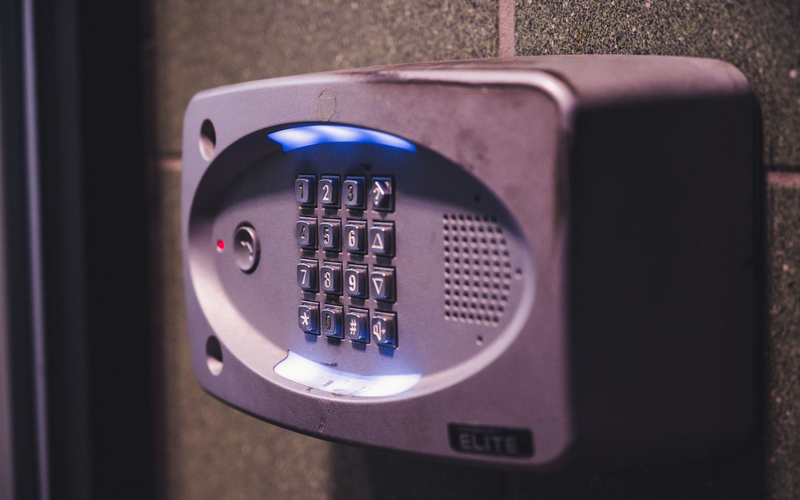
Change the default code on your keypad entry system if you haven't done so already. Many homeowners never change these codes, making it easier for someone familiar with common default codes to gain access. Create a unique code and change it every six months or whenever someone who knew the code moves away or changes relationship status with your household.
Consider upgrading to a smart garage door opener that sends alerts to your phone when the door opens or closes. This technology lets you verify that the garage door is closed when you're away from home and provides a record of when the door was accessed.
For manual garage doors, install a heavy-duty padlock or keyed lock system. Ensure the locking mechanism engages with the door track, preventing the door from being lifted when locked.
Rekey Locks After Summer Activity
Summer often brings increased household traffic with contractors, house sitters, vacation rental guests (if applicable), or temporary workers who may have received keys. Fall is the ideal time to rekey your locks to regain complete control over who has access to your home.
Rekeying is more cost-effective than replacing entire lock sets and can typically be completed quickly by a professional locksmith near me. The process involves changing the internal pins and springs in the lock cylinder so that old keys no longer work, while new keys are cut to match the new configuration.
Consider rekeying if:
- You've moved into a previously owned home
- You've had contractors or service workers with key access
- A roommate or tenant has moved out
- You've ended a relationship with someone who had keys
- Keys have been lost or stolen
- You simply can't account for all copies of your keys
Prepare Your Vehicle Locks for Temperature Changes
While Katy doesn't experience harsh winters, temperature fluctuations can still affect vehicle locks and key fobs. As you prepare your home for fall, don't neglect your vehicle's security.
Test your spare key fob battery by checking the range and responsiveness. Key fob batteries typically last 2-4 years, and many begin to fail as temperatures drop. Replace batteries proactively rather than waiting for complete failure, which always seems to happen at the most inconvenient moment.
Inspect physical key operation in your vehicle's door locks and ignition. If you notice any sticking or resistance, have a car locksmith katy professional examine the lock mechanism. Ignition cylinders are particularly susceptible to wear from daily use.
Consider having a spare key professionally programmed if you only have one key for your vehicle. Modern car keys with transponder chips and proximity fobs can cost $200-$500 to replace at dealerships, but a car locksmith katy specialist can often provide replacement keys at a significantly lower cost. Having a spare prevents the panic and expense of emergency key replacement if your primary key is lost or damaged.
Store spare keys strategically. Never hide a spare key under your car or in obvious locations like wheel wells or bumpers. Instead, keep a spare at home in a secure location and consider giving a spare to a trusted family member or friend.
Upgrade to Smart Lock Technology
Fall home improvement season presents an excellent opportunity to modernize your home security with smart lock technology. These advanced systems offer convenience and security features that traditional locks simply can't match.
Smart locks eliminate the need for physical keys by using smartphone apps, keypads, or biometric scanners. You can grant temporary access to guests, service providers, or family members and receive notifications whenever your door is unlocked. Many systems integrate with home automation platforms, allowing you to control multiple aspects of home security from a single interface.
When selecting smart locks, consider:
- Power source - Battery-operated models are easier to install but require periodic battery replacement
- Connectivity - Wi-Fi, Bluetooth, or Z-Wave compatibility depending on your existing smart home ecosystem
- Backup access - Physical key override in case of battery failure or technology issues
- Weather resistance - Essential for exterior door applications in varying weather conditions
- Professional installation - While some models are DIY-friendly, professional installation ensures proper fit and function
Assess Outdoor Lighting and Its Role in Security
As daylight hours decrease throughout fall, outdoor lighting becomes increasingly important for both safety and security. Well-lit entry points deter potential intruders and reduce the risk of accidents for family members and visitors.
Walk around your property at dusk to identify dark areas that could provide concealment for intruders. Pay particular attention to:
- Front door and porch areas
- Side gates and pathways
- Garage doors and driveways
- Backyard access points
- Basement window wells
Consider smart lighting systems that you can control remotely via smartphone apps. These allow you to turn lights on and off from anywhere, creating the appearance that someone is home even when you're traveling during the holiday season.
Replace burned-out bulbs promptly and clean fixture lenses to ensure maximum light output. Trim back shrubs and tree branches that block lighting or create shadows where intruders could hide.
Check and Update Security System Components
If you have a home security system, fall maintenance ensures everything functions properly when you need it most. The holiday season brings increased travel and package deliveries, making reliable security monitoring essential.
Test all door and window sensors by opening each monitored entry point and verifying that the control panel registers the breach. Replace batteries in wireless sensors according to the manufacturer's recommendations, typically annually.
Verify that security cameras are positioned correctly and that lenses are clean. Check recorded footage quality and adjust camera angles if blind spots have developed due to landscape growth or seasonal changes. Update camera firmware to ensure you have the latest security patches and features.
Review and update your emergency contact list with your monitoring company. Verify that phone numbers are current and that emergency contacts still live locally and are available to respond if needed.
Test your system's backup battery by disconnecting power briefly. The system should continue functioning on battery power without issue. If you hear beeping or receive low-battery warnings, have the backup battery replaced by a professional technician.
Create a Key Management System
Proper key management prevents security vulnerabilities while ensuring family members and authorized individuals have access when needed. Fall is an excellent time to audit your key distribution and establish clear policies.
Create an inventory of all keys and who possesses them. This includes:
- Primary house keys for each family member
- Spare keys with neighbors or family
- Keys provided to service providers or pet sitters
- Office or workspace keys
- Storage unit or mailbox keys
Establish clear rules about key lending and copying. Family members, especially teenagers, should understand that keys should never be loaned to friends and that unauthorized copying is prohibited. Each instance of key copying should be logged and approved.
Invest in a secure key storage system for spare keys. Wall-mounted key cabinets with locks provide organized storage while preventing unauthorized access. Avoid fake rocks or other obvious hiding places outside your home – experienced intruders know exactly where to look.
Secure Outdoor Structures and Storage Areas
Sheds, detached garages, pool houses, and other outdoor structures often contain valuable equipment and tools. These structures also can provide cover for intruders attempting to access your main residence.
Inspect locks on all outdoor structures. Garden shed locks are often lightweight and easily defeated. Upgrade to heavy-duty padlocks with hardened steel shackles that resist cutting and bolt cutters. Install hasp and staple mounting hardware with tamper-resistant fasteners.
Consider alarmed padlocks for particularly valuable storage areas. These devices emit a loud alarm when moved or tampered with, drawing attention to attempted break-ins.
Secure riding lawn mowers, generators, and other expensive equipment with chains and anchors when stored in unlocked structures. Record serial numbers and take photographs of valuable items for insurance purposes.
Gate locks deserve attention as well. Ensure fence gates close completely and latch securely. Install self-closing hinges if children or forgetful family members frequently leave gates open. Keyed gate locks prevent unwanted access to backyards and side yards that could provide concealed access to windows and doors.
Plan for Holiday Security Needs
The approaching holiday season brings unique security challenges, from increased package deliveries to extended travel for visiting family. Advance planning in fall prevents last-minute security scrambles.
If you plan to travel during Thanksgiving or winter holidays, arrange for trusted neighbors or friends to collect packages, mail, and newspapers. A pile of packages on the porch advertises an empty home to potential intruders.
Consider installing a video doorbell if you haven't already. These devices let you see and speak with delivery drivers remotely, and many allow you to provide access instructions or unlock smart locks for secure package placement inside a garage or mudroom.
Hold mail delivery through USPS if you'll be gone for extended periods, or arrange for daily collection by a trusted friend or family member. Overflowing mailboxes signal absent homeowners.
Automate interior lights using timers or smart bulbs that can be controlled remotely. Vary lighting patterns to simulate natural occupancy rather than having lights turn on and off at exactly the same times each day.
Inform your security monitoring company of travel plans and provide current contact information for reaching you and your emergency contacts.
Professional Locksmith Services and When to Call
While many items on this fall locksmith checklist can be handled by homeowners, certain situations require professional expertise. Knowing when to call a locksmith near me saves time, prevents damage, and ensures security solutions are implemented correctly.
Professional locksmith services are recommended for:
- Master key system installation - Creating a hierarchical key system for homes with multiple family members or rental units
- High-security lock installation - Properly installing Grade 1 locks that resist picking, drilling, and forced entry
- Lock rekeying - Ensuring cylinders are properly pinned and keys are cut precisely
- Safe installation and servicing - Positioning and securing safes for optimal protection
- Access control systems - Programming and installing electronic access systems
- Emergency lockouts - Gaining entry without damaging locks or doors
- Key extraction - Removing broken keys from locks without damage
Look for locksmiths with:
- Physical business locations in the Katy area
- Positive reviews and testimonials from local customers
- Transparent pricing without hidden fees
- Proper insurance and bonding
- Membership in professional locksmith associations
- Clear estimates before work begins